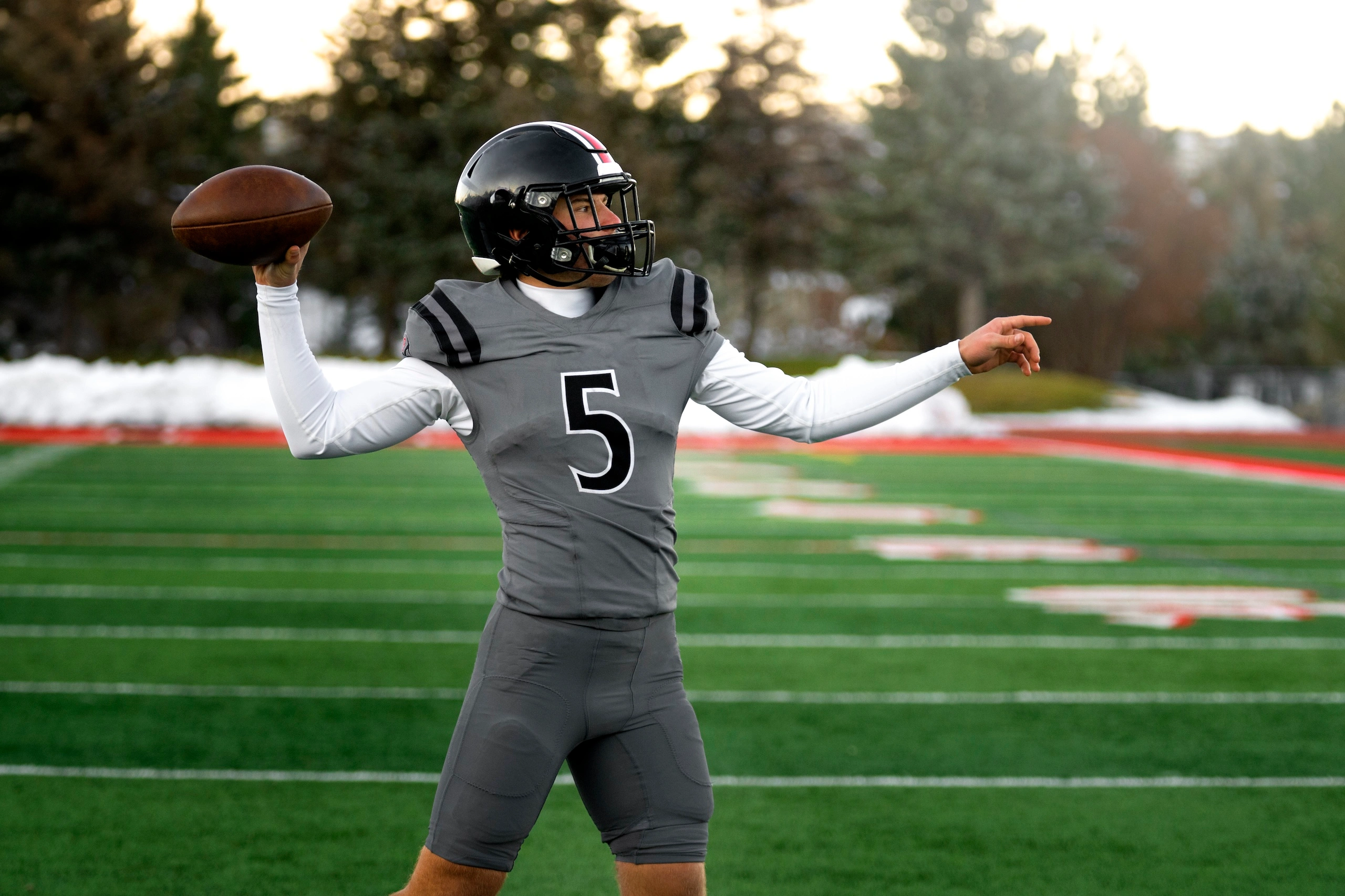
Repeated impacts are one of the biggest health concerns in contact sports. Football, rugby, hockey, boxing, martial arts, and other high-impact sports place heavy stress on the brain. Many athletes do not suffer a diagnosed concussion after every hit. Still, repeated impacts can create biological stress that builds over time.
A new football study has brought fresh attention to near infrared light therapy for brain health. Researchers followed college football players across a full season. Their goal was to see whether targeted near infrared photobiomodulation could help the brain stay more stable during months of repeated impacts.
The results were highly encouraging. Players who received active near infrared light therapy did not show the same seasonal rise in brain inflammation seen in the placebo group. This finding matters because rising inflammation can signal that the brain is under stress.
For athletes, trainers, and wellness professionals, the study points to an exciting idea: targeted light therapy may help support brain resilience during physically demanding seasons.
Why Brain Inflammation Matters
Inflammation is part of the body’s natural repair system. After stress, injury, or irritation, the body uses inflammation to protect tissue and start recovery. In small amounts, this process helps the body heal.
The brain also uses inflammatory responses. Yet the brain is highly sensitive. When inflammation rises too often or stays elevated, it can place pressure on healthy brain function.
In contact sports, repeated impacts may trigger this response again and again. Even when an athlete feels fine, the brain may still respond to the mechanical stress of hits, tackles, falls, or sudden acceleration.
Over time, increased brain inflammation may affect how brain cells communicate. It may also influence recovery, focus, memory, mental energy, and long-term neurological health. This is why researchers now pay close attention to inflammation markers in athletes.
A stable brain inflammation profile during a contact sport season is meaningful. It suggests that the brain may handle repeated stress with less biological disruption.
What the New Football Study Found
The study followed 26 college football players over a 16-week season. One group used an active near infrared photobiomodulation device. The other group used a placebo device that looked the same but did not deliver active light.
The active device used 810 nm near infrared light. Players used it three times per week. Each session lasted 20 minutes.
Researchers scanned the players’ brains before and after the season. They used MRI technology to track markers linked to inflammation and microstructural brain stress.
The placebo group showed increased signs of inflammation after the season. This result fits what researchers expect after months of repeated head acceleration events.
The active near infrared light therapy group showed a different pattern. Their brain inflammation markers stayed more stable across the season. In some brain regions, the results even moved in a positive direction.
This is the key finding. The active light therapy group did not show the same rise in brain inflammation.
That difference gives researchers an important signal. Targeted near infrared light may help the brain maintain a healthier internal environment during periods of repeated physical stress.
Why No Rising Brain Inflammation Is Important
The most powerful part of the study is not only that near infrared light therapy showed an effect. It is the type of effect that appeared.
A football season creates repeated stress on the brain. Each practice, tackle, block, and collision can add to the total load. When inflammation rises over time, it suggests that the brain is reacting to that repeated load.
In the placebo group, inflammation markers increased as the season progressed. That means the brain showed more biological signs of stress after months of impacts.
In the active light therapy group, those markers did not rise in the same way. This suggests that the brain may have remained more balanced throughout the season.
That matters for several reasons.
First, stable inflammation may support better recovery between training sessions and games. Athletes often have short recovery windows. When the brain avoids a rise in inflammatory stress, it may recover in a more efficient way.
Second, lower inflammatory pressure may help protect normal brain communication. Brain cells rely on clean, fast signaling. Inflammation can disturb this environment. A more stable brain environment may support clearer signaling and better overall function.
Third, no seasonal rise in inflammation may reduce cumulative stress. Contact sports are not only about one major hit. They are also about repeated smaller impacts. Keeping inflammation from rising across the season could be an important part of long-term brain care.
Finally, this result supports a proactive approach. Instead of waiting for symptoms to appear, athletes may benefit from strategies that support the brain before problems become noticeable.
What Is Near Infrared Light Therapy?
Near infrared light therapy uses wavelengths that can reach deeper into the body than visible red light. Red light often works closer to the skin’s surface. Near infrared light can reach deeper tissues.
Scientists often call this process photobiomodulation. The word describes how light interacts with cells and supports natural biological processes.
Near infrared light has become an important research area because it may influence cellular energy, oxidative stress, circulation, and inflammatory signaling. These effects make it especially interesting for recovery science.
In simple terms, near infrared light may help cells work more efficiently. When cells manage energy and stress better, tissue may recover and adapt more effectively.
For athletes, this is highly relevant. Training and competition create constant stress. Recovery quality often determines how well the body performs over time.
Brain-focused near infrared light therapy is a more specialized field. It uses targeted protocols designed for neurological support. The football study adds to this growing area of research.
Why This Study Matters for Athletes
Athletes need more than strength, speed, and endurance. They also need a resilient nervous system. The brain controls reaction time, coordination, balance, decision-making, and focus.
In contact sports, the brain faces both mental and physical stress. A player must think fast, move fast, and absorb impact. Over a full season, that demand can become intense.
This study matters because it looked at athletes in a real sports environment. The players continued their regular football season. They trained, practiced, and competed while researchers tracked changes in the brain.
The active light therapy group showed more stable inflammation markers despite that repeated exposure. This makes the result especially practical.
It suggests that near infrared light therapy may one day become part of a broader recovery system for athletes. That system could include sleep, nutrition, strength training, hydration, medical care, and smart impact management.
Light therapy would not replace these foundations. Instead, it could support them.
A More Proactive Future for Brain Health
Most concussion care begins after symptoms appear. An athlete reports dizziness, headache, confusion, balance problems, or memory issues. Then medical teams respond.
That approach remains essential. Athletes must always follow professional concussion protocols.
At the same time, the future of brain health may become more proactive. Researchers now want to understand how to support the brain before symptoms appear.
The football study fits this direction. It focused on resilience during the season, not only treatment after injury.
This is an important shift. If athletes can support brain health during periods of high exposure, they may reduce biological stress before it becomes a larger problem.
Near infrared light therapy stands out because it works with the body’s natural systems. It does not force a single pathway. Instead, it may support the brain’s own ability to manage energy, inflammation, and recovery.
What This Means for Red Light Therapy Research
The study adds momentum to the wider field of red and near infrared light therapy. Many people already use light therapy for skin health, muscle recovery, joint comfort, circulation, and general wellness.
Brain health is one of the most exciting new areas. It also requires careful protocols. Wavelength, power, treatment time, distance, and delivery method all matter.
This is why not every light therapy device should be viewed the same way. A general wellness panel and a specialized brain-focused device may work differently.
Still, the broader message is powerful. Light can interact with biology in meaningful ways. As research grows, we are learning more about how specific wavelengths can support different tissues.
For Lumavit, this study highlights the importance of quality technology and science-based education. Red and near infrared light therapy are not trends. They are part of a growing field of performance, wellness, and recovery research.
The Bottom Line
Near infrared light therapy for brain health is becoming one of the most exciting areas in recovery science. The new football study shows that targeted near infrared photobiomodulation may help prevent a seasonal rise in brain inflammation.
That finding is important. Rising inflammation can signal stress in the brain. Stable inflammation markers suggest a more balanced and resilient brain environment.
For contact sport athletes, this could open the door to a more proactive approach to brain health. Instead of only reacting after symptoms appear, future recovery strategies may help support the brain throughout the season.
At Lumavit, we believe in science-led light therapy education. The latest research shows that light therapy has real potential far beyond surface-level wellness. Near infrared light may become an important tool for recovery, resilience, and long-term performance support.
Find our range of light therapy devices HERE.
Athletes should still follow medical guidance and proper concussion protocols. But the direction of the science is clear: targeted near infrared light therapy is gaining attention for a reason.
Its ability to support a stable inflammatory response may become one of the most important benefits for future brain health research.